


Music and The Archive: Fragmentary and Fragile Histories
Taking place in the spring of 2027, this Sibelius Academy Symposium on Music History marks the eighth event in the series. The symposium, held approximately every two years, brings together leading scholars of music history from around the world in Helsinki.
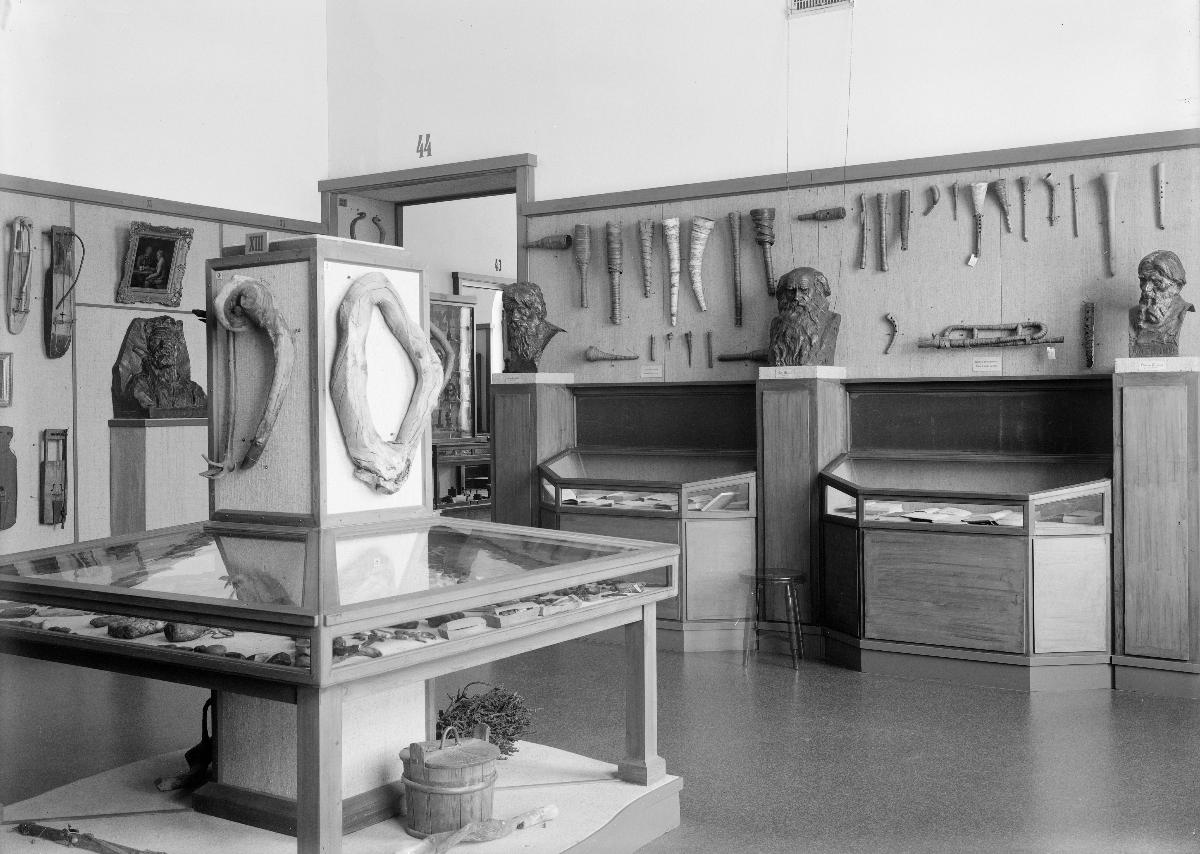
The 8th Sibelius Academy Symposium on Music History is titled ‘Music and The Archive: Fragmentary and Fragile Histories’. The symposium aims to explore how music’s histories are preserved, mediated, fragmented, silenced, reimagined, and contested in and through ‘The Archive’. Archives are generally understood as repositories for historical documents, personal and institutional, whereas ‘The Archive’ functions as a site of institutional power and curatorial processes which shapes both cultural memory and cultures of forgetting
The symposium, held approximately every two years, brings together leading scholars of music history from around the world in Helsinki.
Schedule
- 6/2026 Call for Papers published
- 10/2026 Deadline for paper/presentation submissions
- 11/2026 Review of submissions (acceptance/rejection)
- 12/2026 Symposium program published
- 2–3/2027 Registration for the symposium opens
- 4–5/2027 Registration closes
Call for Papers
The VIII Sibelius Academy Symposium on Music History
Music and The Archive: Fragmentary and Fragile Histories
May 26–28, 2027
Helsinki Music Centre, Mannerheimintie 13 A, 00100 Helsinki, Finland
The symposium aims to explore how music’s histories are preserved, mediated, fragmented, silenced, reimagined, and contested in and through ‘The Archive’. Archives are generally understood as repositories for historical documents, personal and institutional, whereas ‘The Archive’ functions as a site of institutional power and curatorial processes which shapes both cultural memory and cultures of forgetting. According to Derrida, “the archive is never closed. It opens out of the future.” Digital technology furthermore has an impact for these futures by creating new ontologies, epistemologies, practices – and challenges.
Considering both tangible materials (scores, instruments, recordings) and intangible heritages (practices, memory, performance), we look forward to perspectives that connect methodologies of musicology, archival and museum studies, media studies, digital musicology, ethnomusicology, and gender studies to examine the politics of selection, cataloguing, and display in and through The Archive. We particularly encourage critical engagements with how ideologies – such as nationalism – condition archival presence and absence; how intersections between canon formation and archival processes evolve; and – more generally – how regimes of aesthetic, monetary and cultural value shape what is preserved, funded, and circulated. Papers on all sorts of music and sound across all regions and historical periods (popular music, folk music, experimental practices, sound art, film music, music theatre, sacred and secular repertoires, oral traditions) are welcome.
The following (non-exhaustive) list opens some general thematic areas that the symposium looks to explore:
- Fragmentation, loss and fragility: incomplete sources, damaged media, silenced voices, challenges of preservation in conflict and crisis
- Management of heritage, institutions, finance, and visitor experience, and their relationship to museum studies of all types
- Digitalisation processes and datafication: issues of access, interoperability, curation, and preservation of physical and digital archives and their future
- Ethics of collecting, stewardship, provenance, and rematriation/repatriation
- Materiality and mediality: manuscripts, recordings, instruments, ephemera, and born-digital artifacts
Keynote speakers of the symposium are:
- Jeanice Brooks, Professor of Music, University of Southampton
- Richard Freedman, Professor of Music, Haverford College
- Alejandro L. Madrid, Walter W. Naumburg Professor of Music, Harvard University
We welcome proposals in multiple formats:
- Papers (20 minutes duration followed by 10 minutes discussion)
- Complete sessions and panels (two, three or four 20-minute papers, each with 10 minutes discussion)
- Lecture-recitals: 30–45 minutes combining performance and critical commentary; proposals should specify repertoire, performers, instruments, and technical needs.
Proposal length:
- individual presentation proposals: max 300 words
- panel session proposals: max 350 words + each panelist’s proposal 200 words
The language of the conference is English. The conference will be an in-person event.
The deadline for submissions is Thursday 15 October 2026 (23:59 Finnish time UTC+3).
Proposals can be sent online: Music and the Archive 2027
Notices of acceptance will be sent by Monday 16 November 2026
Contact for inquiries (no proposal submissions): siba.archives2027@uniarts.fi.
The organizing committee
Anne Kauppala (committee chair) / Sibelius Academy, University of the Arts Helsinki
Mark Everist / University of Southampton, GB
Ingeborg Zechner / University of Graz, AT
Markus Mantere / Sibelius Academy, University of the Arts Helsinki
Saijaleena Rantanen / Sibelius Academy, University of the Arts Helsinki
Kaarina Kilpiö / Sibelius Academy, University of the Arts Helsinki
Marianne Mieskolainen (symposium secretary) / Sibelius Academy, University of the Arts Helsinki
More information
siba.archives2027@uniarts.fi
The 8th Sibelius Academy Symposium on Music History is titled ‘Music and The Archive: Fragmentary and Fragile Histories’. The symposium aims to explore how music’s histories are preserved, mediated, fragmented, silenced, reimagined, and contested in and through ‘The Archive’. Archives are generally understood as repositories for historical documents, personal and institutional, whereas ‘The Archive’ functions as a site of institutional power and curatorial processes which shapes both cultural memory and cultures of forgetting
The symposium, held approximately every two years, brings together leading scholars of music history from around the world in Helsinki.
Schedule
- 6/2026 Call for Papers published
- 10/2026 Deadline for paper/presentation submissions
- 11/2026 Review of submissions (acceptance/rejection)
- 12/2026 Symposium program published
- 2–3/2027 Registration for the symposium opens
- 4–5/2027 Registration closes
Call for Papers
The VIII Sibelius Academy Symposium on Music History
Music and The Archive: Fragmentary and Fragile Histories
May 26–28, 2027
Helsinki Music Centre, Mannerheimintie 13 A, 00100 Helsinki, Finland
The symposium aims to explore how music’s histories are preserved, mediated, fragmented, silenced, reimagined, and contested in and through ‘The Archive’. Archives are generally understood as repositories for historical documents, personal and institutional, whereas ‘The Archive’ functions as a site of institutional power and curatorial processes which shapes both cultural memory and cultures of forgetting. According to Derrida, “the archive is never closed. It opens out of the future.” Digital technology furthermore has an impact for these futures by creating new ontologies, epistemologies, practices – and challenges.
Considering both tangible materials (scores, instruments, recordings) and intangible heritages (practices, memory, performance), we look forward to perspectives that connect methodologies of musicology, archival and museum studies, media studies, digital musicology, ethnomusicology, and gender studies to examine the politics of selection, cataloguing, and display in and through The Archive. We particularly encourage critical engagements with how ideologies – such as nationalism – condition archival presence and absence; how intersections between canon formation and archival processes evolve; and – more generally – how regimes of aesthetic, monetary and cultural value shape what is preserved, funded, and circulated. Papers on all sorts of music and sound across all regions and historical periods (popular music, folk music, experimental practices, sound art, film music, music theatre, sacred and secular repertoires, oral traditions) are welcome.
The following (non-exhaustive) list opens some general thematic areas that the symposium looks to explore:
- Fragmentation, loss and fragility: incomplete sources, damaged media, silenced voices, challenges of preservation in conflict and crisis
- Management of heritage, institutions, finance, and visitor experience, and their relationship to museum studies of all types
- Digitalisation processes and datafication: issues of access, interoperability, curation, and preservation of physical and digital archives and their future
- Ethics of collecting, stewardship, provenance, and rematriation/repatriation
- Materiality and mediality: manuscripts, recordings, instruments, ephemera, and born-digital artifacts
Keynote speakers of the symposium are:
- Jeanice Brooks, Professor of Music, University of Southampton
- Richard Freedman, Professor of Music, Haverford College
- Alejandro L. Madrid, Walter W. Naumburg Professor of Music, Harvard University
We welcome proposals in multiple formats:
- Papers (20 minutes duration followed by 10 minutes discussion)
- Complete sessions and panels (two, three or four 20-minute papers, each with 10 minutes discussion)
- Lecture-recitals: 30–45 minutes combining performance and critical commentary; proposals should specify repertoire, performers, instruments, and technical needs.
Proposal length:
- individual presentation proposals: max 300 words
- panel session proposals: max 350 words + each panelist’s proposal 200 words
The language of the conference is English. The conference will be an in-person event.
The deadline for submissions is Thursday 15 October 2026 (23:59 Finnish time UTC+3).
Proposals can be sent online: Music and the Archive 2027
Notices of acceptance will be sent by Monday 16 November 2026
Contact for inquiries (no proposal submissions): siba.archives2027@uniarts.fi.
The organizing committee
Anne Kauppala (committee chair) / Sibelius Academy, University of the Arts Helsinki
Mark Everist / University of Southampton, GB
Ingeborg Zechner / University of Graz, AT
Markus Mantere / Sibelius Academy, University of the Arts Helsinki
Saijaleena Rantanen / Sibelius Academy, University of the Arts Helsinki
Kaarina Kilpiö / Sibelius Academy, University of the Arts Helsinki
Marianne Mieskolainen (symposium secretary) / Sibelius Academy, University of the Arts Helsinki
More information
siba.archives2027@uniarts.fi