


Paavo Kärki
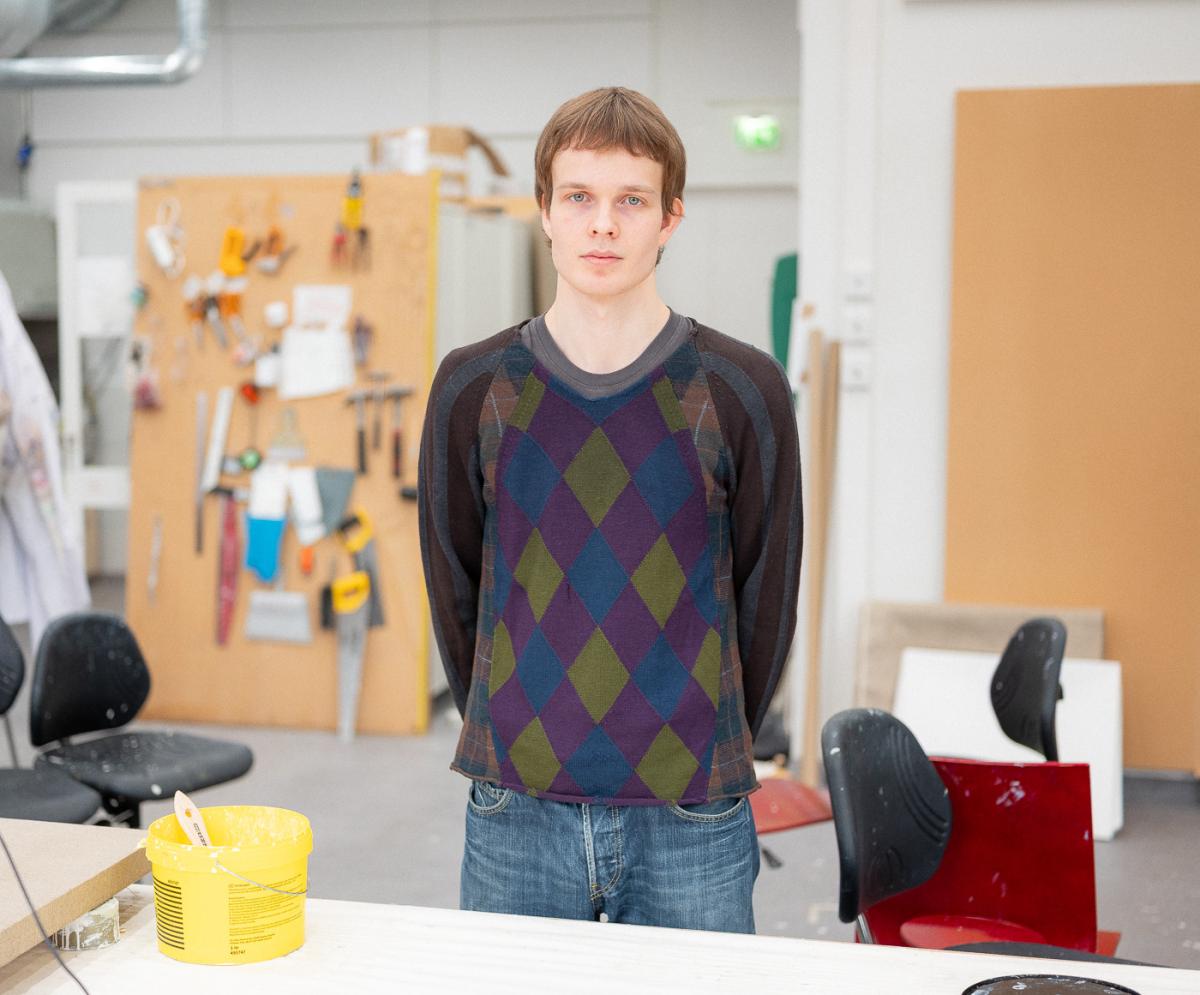
About the Artist
Paavo Kärki (b. 2001, Helsinki) examines the networks, norms, and practices within art and society through his painting-based works. At the same time, he explores the commodified nature of the painting object and its spatial possibilities. Rather than appearing merely as images, paintings in his works act as functional objects, props, and builders of place, creating connections with the surrounding world. Kärki asks when a painting becomes something else or ceases to function altogether.
Kärki has participated in numerous exhibitions in Finland and abroad. During the autumn semester of 2025, he studied at the Royal Institute of Art in Stockholm. During Kuvan Kevät, his works will also be on view at Amos Rex in Helsinki as part of the group exhibition Generation 26, as well as in a solo exhibition at Mältinranta Artcenter in Tampere. From 2026 to 2028, Kärki will live and work in a scholarship studio apartment awarded by the Finnish Artists’ Studio Foundation, EMMA, and the City of Espoo in Tapiola, together with visual artist Aino Tillonen.
More information
Exhibitions
Kuvan Kevät 2026
15.5.-14.6.2026
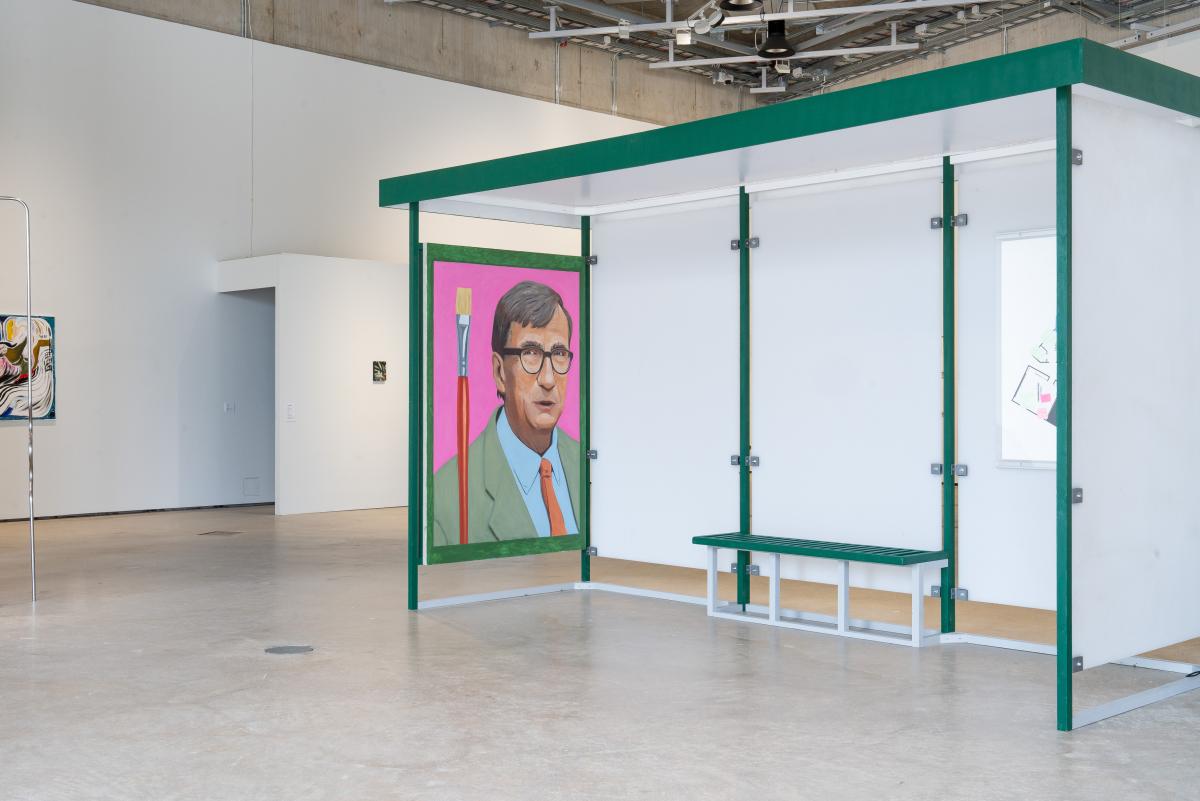
Einladung
31.10.-23.11.2025
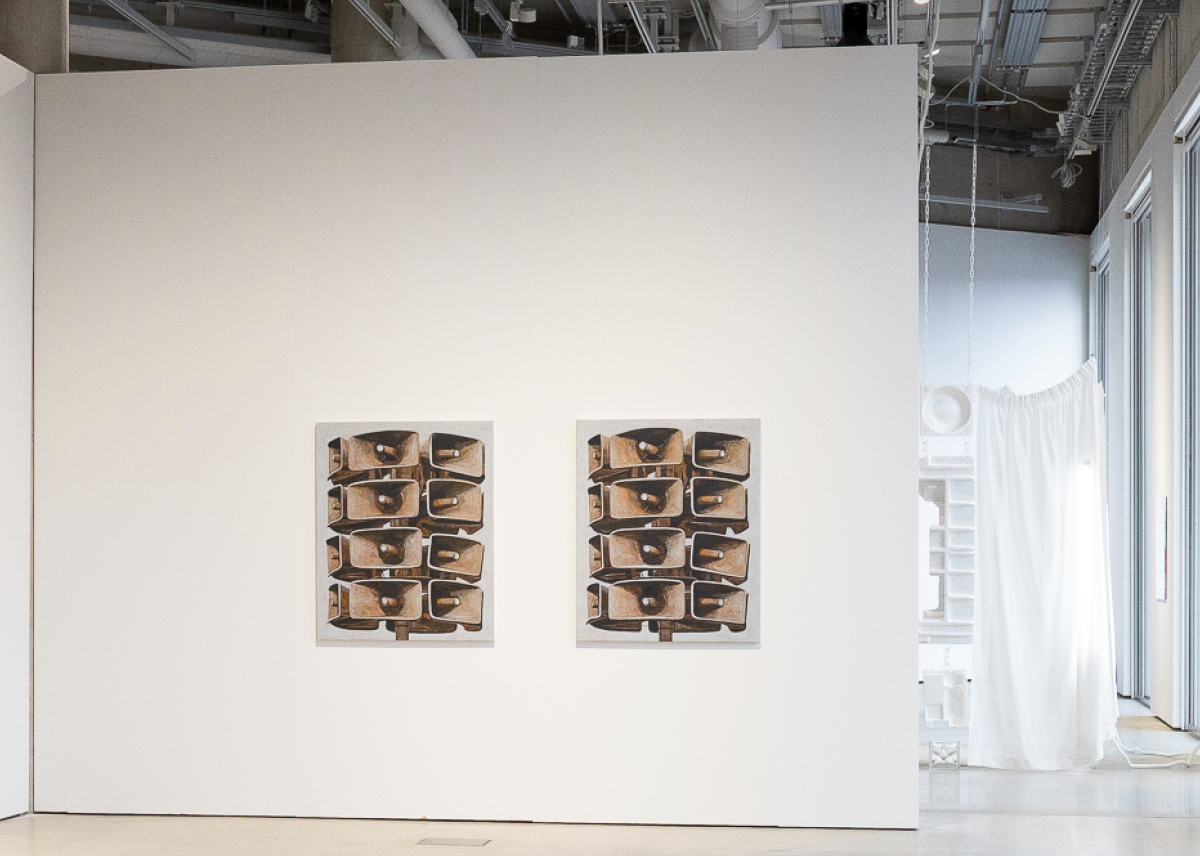
Endless Drop
1–17 November 2024
Kuva/Tila
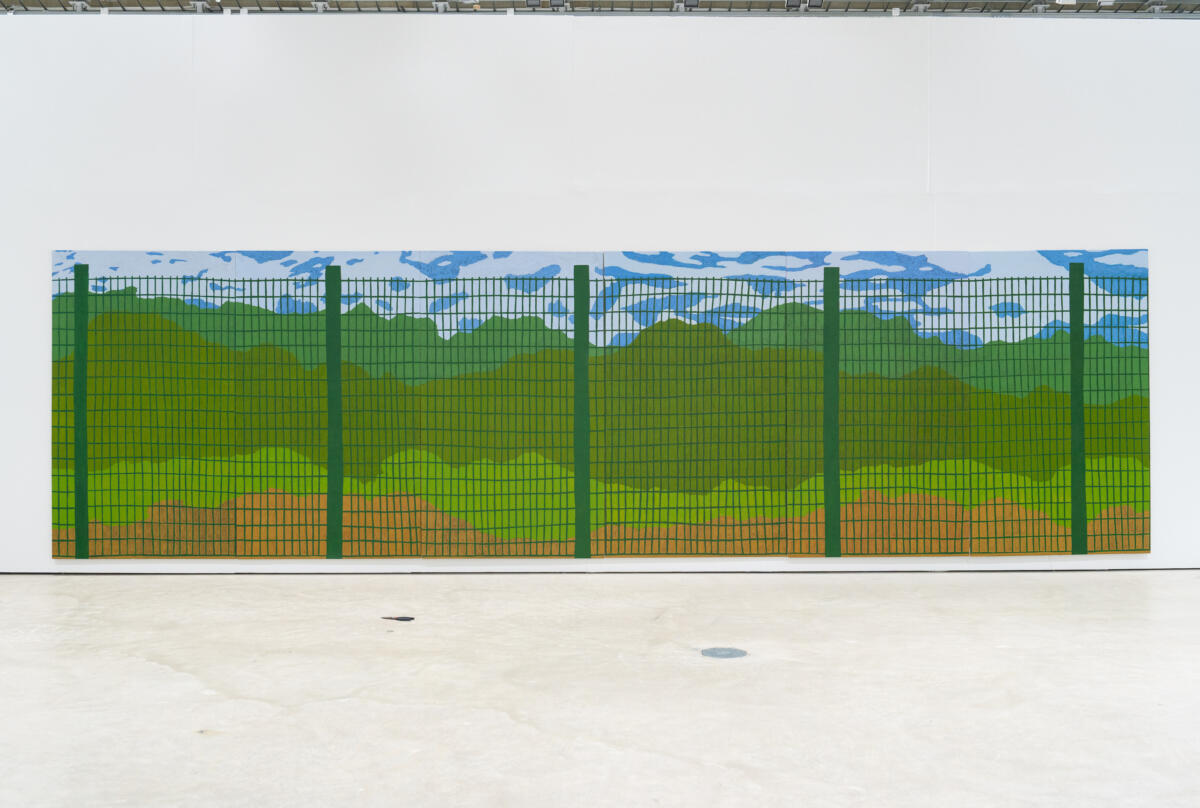
BFA Exhibition 2024
About the artwork
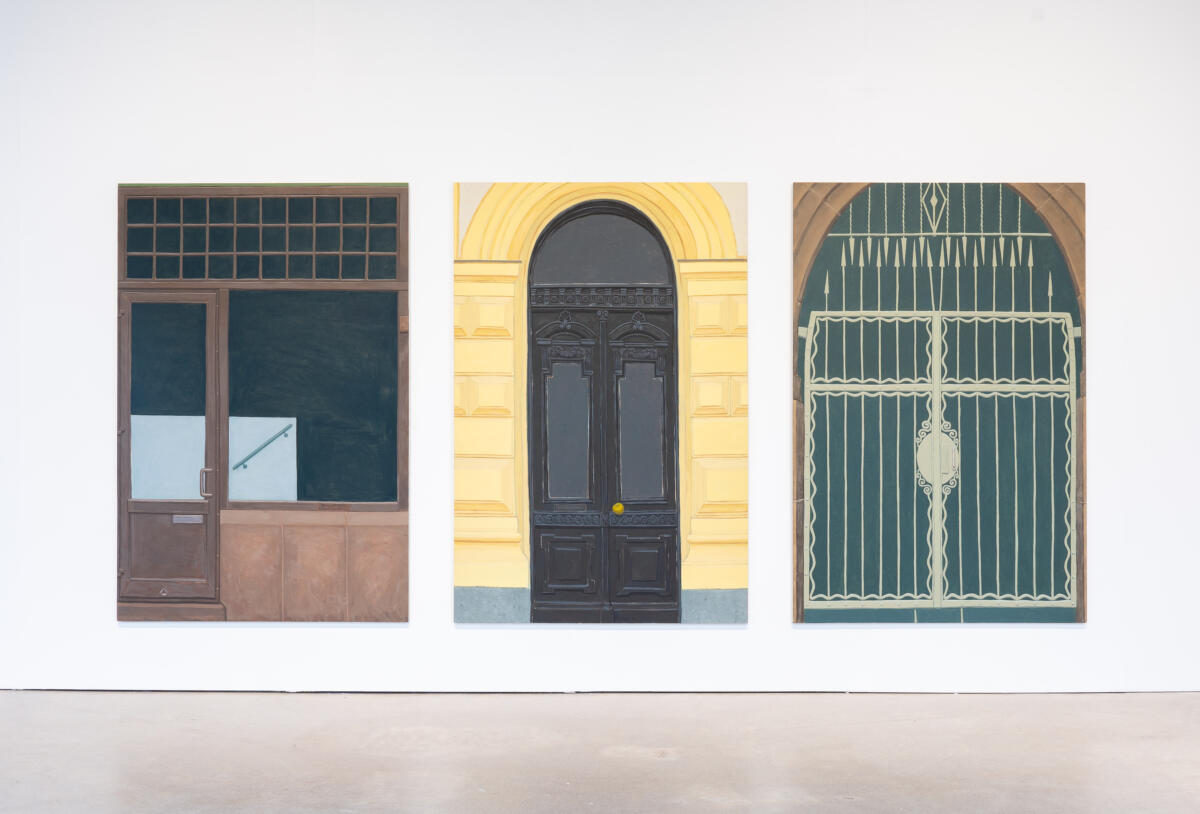
The subject of this three-painting series is gallery entrances. The starting point for these works is the concepts of power and network, as well as their manifestation in the relationship between subject matter, authorship, and the exhibition context. Through the depiction of gallery entrances, the paintings explore the nature and conditions of painting, including its perspectives, or the lack thereof. The relationship to the subject is ambiguous. Despite their matter-of-fact disposition, the works do not communicate directly but rather suggest. This suggestion becomes self-evident through the act of painting.