


Uniarts Helsinki’s parliamentary election goals: Sustainable art, a sustainable Finland
Finland is currently seeking a new direction for itself. Factors such as structural changes in the public economy, ageing of the population and transformation of the labour market undermine the funding base of our welfare society, and simply making adjustments is not enough.
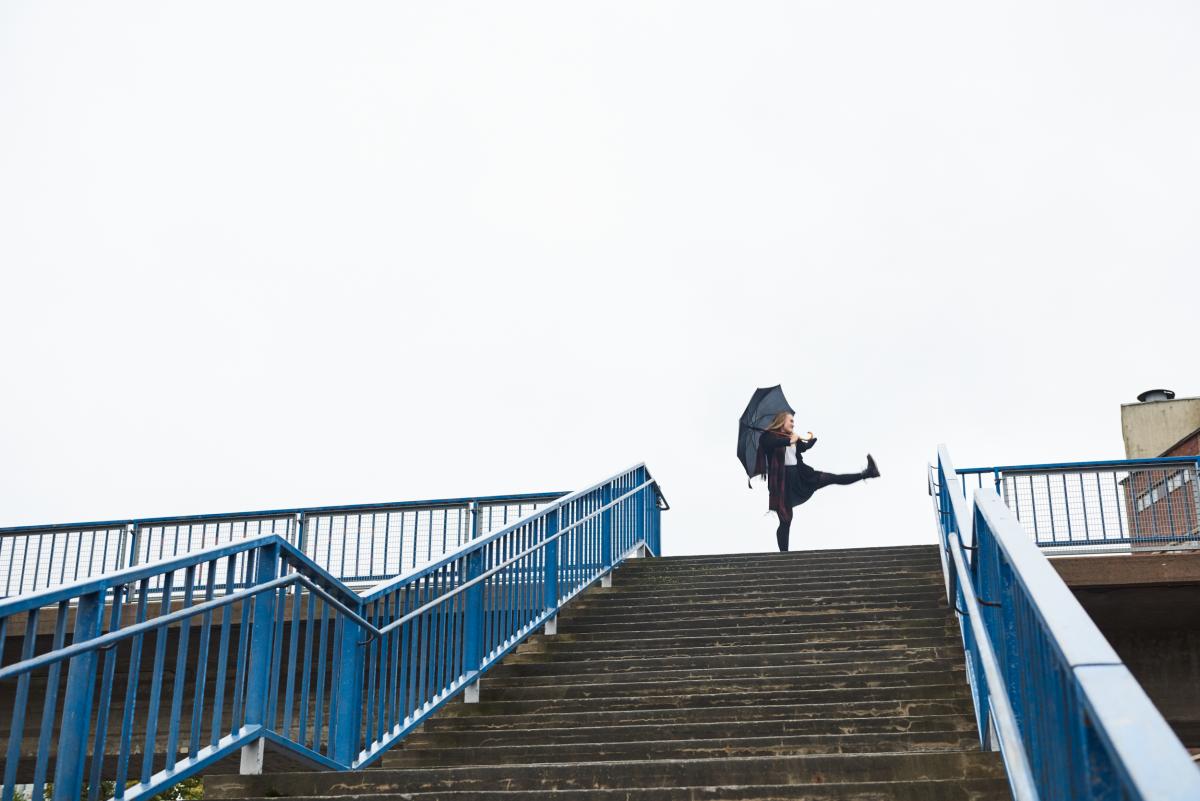
We need trust, skill, creativity and ability to imagine futures that are worthy of pursuing. Art and culture have a positive impact on all of the aforementioned, as they bring people together, develop people’s thinking and offer a playground for imagination. Art and culture form a central part of a society’s resilience, vitality and overall security.
Creative economy will be a major growth industry in tomorrow’s Finland. It generates high added value, drives innovation and creates new jobs. Art and culture form the core of the creative economy, and we do not yet know how to fully utilise its growth potential.
Autonomous art and the creative economy both contribute to building a sustainable Finland. Art and culture are part of humanity and democracy – and also an investment in Finland’s future.
Goal 1: We must strengthen our societal resilience and vitality through art and culture.
Finland’s key challenges over the next decade concern our societal resilience and vitality: ageing population, declining wellbeing among children and young people, poorer learning results, increasing social polarisation and a lack of trust.
Moreover, the Finnish model for comprehensive security requires stronger mental crisis resilience and the ability to work together also in times of uncertainty. We need human capital and growth: trust, skill, inclusion and the ability to understand one another. Art and culture promote this goal.
Art and culture build communities
Shared cultural experiences, artistic activities and cultural services bring people together across social, regional and cultural boundaries.
A sense of belonging reduces loneliness and prevents polarisation which are key challenges related to wellbeing and security.
Art develops future skills
Consuming art in its various forms and having artistic hobbies develops creative thinking, problem-solving skills and the ability to examine concepts and events from multiple perspectives. These skills are essential in education, working life and more broadly in a democratic society where citizens need the ability to assess information, understand different viewpoints and act in a complex world.
As artificial intelligence and automation change the content of work, it is the skills that machines cannot replace that become more important. Art and culture are key environments for stimulating our critical thinking, ethical judgement and ability to imagine alternative futures. These skills are crucial not only for economic renewal but also for democracy, societal vitality and crisis resilience.
Art and culture also support self-knowledge, emotional intelligence and a sense of meaning which are essential for our personal wellbeing and resilience.
Art supports democracy and inclusion
Art and culture provide platforms for societal discussions and lift up voices that would otherwise not be heard. They create space for dialogue and help us to address values, conflicts and our shared future in ways that strengthen democracy.
Art and culture are a central part of society’s mental infrastructure: they strengthen trust, learning and inclusion which are prerequisites for both a sustainable economy and a stable democracy.
Proposed measures
We will recognise the role of art and culture in strengthening personal and societal resilience, domestic security and democracy.
We will ensure through state funding and policies that every child and young person has the opportunity to experience art and culture as part of everyday life regardless of where they live and what their family background is.
We will integrate the role of art and culture into national programmes and funding instruments aimed at preventing polarisation, strengthening the wellbeing of children and young people and supporting learning skills.
We will strengthen the role of arts and cultural education in primary, lower and upper secondary education when training learning, wellbeing and future skills and ensure sufficient teaching opportunities in the arts and in multidisciplinary subjects that utilise arts education.
Goal 2: We must recognise art and culture as key drivers of economic renewal and sustainable growth.
Finland’s economy needs new sources of growth, renewed structures for production and high-skill jobs. The creative sector already forms a significant part of the economy but remains underutilised by international comparison. The creative sector accelerates innovation also in other industries and strengthens companies’ competitiveness.
The creative sector is the foundation of the creative economy, but it is not synonymous with it. A sustainable creative economy requires that we recognise the specific nature of artistic work and safeguard its viability also when the work does not yield immediate economic benefit.
In Finland, art and cultural policy and industrial and innovation policy still largely operate as parallel systems even though in reality they form different phases of the same development path from idea to innovation. Artistic work is the foundation of the creative sector on which opportunities for new content, services and international activities are built. When we recognise these policy sectors as a shared whole, we can fully utilise the potential of the creative sector.
The creative sector increases vitality
Art and culture improve the attractiveness of cities and regions, support tourism and help in retaining skilled people. In a knowledge-intensive economy, these factors are central to investment and business activity.
Art and culture produce products and services of high added value where the environmental impact is often lower than that of many traditional industrial sectors. At the same time, they strengthen the long-term foundation of economic growth: social inclusion and human capital.
Art and culture are a foundation of national growth. When education, funding, RDI activities and internationalisation support the creative sector in a consistent way, they have significant potential to emerge as some of the most important sources of sustainable growth in Finland.
Proposed measures
We will strengthen the business competence of creative sector professionals and give artists and creative entrepreneurs broader access to support and funding structures of the creative economy, such as Business Finland funding models.
We will strengthen RDI activities in the creative sector based on intangible value creation by establishing funding instruments and allocations that recognise the specific characteristics and growth potential of the sector. We will make improvements so that we can fully utilise the economic and societal growth of the arts and culture sectors. We will expand national RDI thinking to recognise the role of the arts and creative sectors in multidisciplinary cooperation and in the renewal of society as a whole.
We will strengthen the connection between cultural policy and industrial policy. We will build a coherent policy framework and funding structures in which artistic development work, innovation activities, growth policy and internationalisation are linked together.
We will strengthen core funding for culture and increase the share of arts and culture in the state budget towards one per cent over the course of the government term.