


Tatyana Pogozheva’s timeless violin pedagogy is now available also in English
“Methodology of Violin Teaching” serves as a valuable tool for today’s music educators as well.
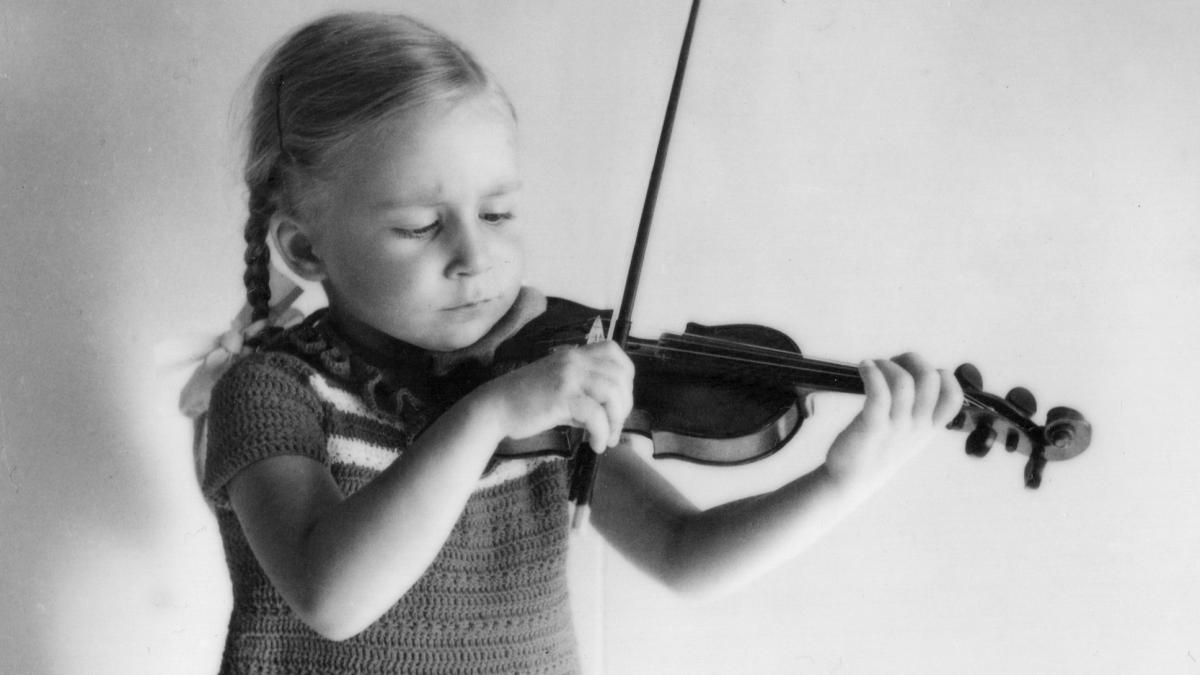
What are the challenges and most important responsibilities of a violin teacher? How can a young student be guided to grow into a musician who genuinely experiences and expresses music? These are the questions explored by the Russian violin pedagogue Tatyana Pogozheva in her book Methodology of Violin Teaching. The English translation of this pedagogical opus is now also available in English.
Originally written in Moscow in 1966, the book’s content is largely timeless and continues to offer insights and support for 21st-century violin teachers and pedagogy students alike. It was originally published by the Sibelius Academy in Finnish in 2021.
Even in her own time, Pogozheva had a uniquely holistic understanding of violin education. In her pedagogical work, she took into account not only a child’s physical and motor development but also their psychological and emotional growth. Pogozheva previously published the beginner-level violin method Learn to Play the Violin. Methodology of Violin Teaching expands on that work, covering the first seven years of a young violin student’s studies.
Timeless tool for modern pedagogues
For violin teachers, the book offers practical guidance on how to build age-appropriate repertoires that support both the technical and musical development of students while taking their overall growth into consideration. The publication brings together some of the finest elements of the Russian violin tradition and also sheds light on Pogozheva’s contribution to the development of violin teaching in Finland, where she worked extensively as an educator for many years
Pogozheva taught, among other places, at the Oulu Music Institute and at Finnish music camps. As a result, she has left a lasting mark on the history of violin education in Finland.
According to Pogozheva, the most important thing is that a child feels safe and comfortable during their music lesson.
“All of the pedagogical knowledge and expertise she shared remain fully relevant even today,” says Päivyt Meller, Senior Lecturer in Violin Music at the Sibelius Academy and a former student of Pogozheva. It was Meller’s idea to have the work translated into Finnish.
The book is published as part of the Sibelius Academy Publication Series. It is available in electronic format through the University of the Arts Helsinki Library’s Taju database.
More information
Päivyt Meller
paivyt.meller@uniarts.fi