


Object lessons: tracing and re-framing disciplinary knowledge production
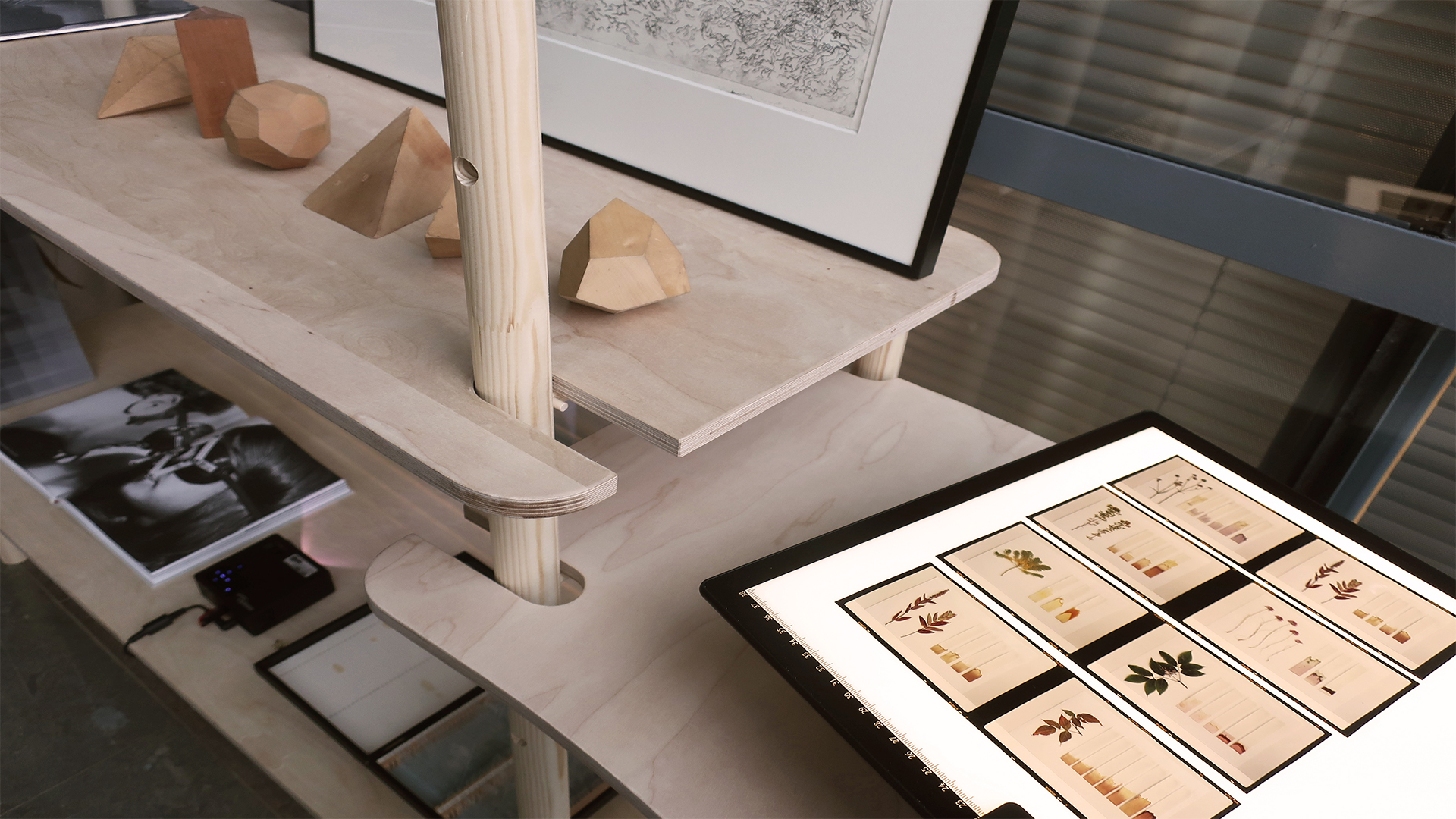
The research project explores how university collections – such as pressed plants, geological samples, medical tools, zoological specimens – are not only scientific evidence but also cultural artefacts bearing social histories, colonial legacies, and ecological change. These materials are reframed through curatorial practice.
Introduction
Object Lessons explores how university collections – pressed plants, geological samples, medical tools, zoological specimens – are not only scientific evidence but also cultural artefacts bearing social histories, colonial legacies, and ecological change. These materials, often hidden in storerooms or reduced to data points, are reframed through curatorial practice to reveal disciplinary blind spots, habits, and conventions.
The project positions curatorship as both a research method and a public-facing artistic practice. Exhibitions, symposiums, workshops, and digital platforms will serve as experimental spaces where knowledge-making unfolds collaboratively across the sciences, humanities, and arts. This approach enables three interwoven strands:
- interdisciplinary (collections as a shared language across fields),
- decolonial (challenging Western taxonomies and amplifying Sámi and Global South perspectives),
- and ecological (foregrounding collections as witnesses to the Anthropocene and catalysts for environmental care).
Through small-scale interventions, thematic exhibitions, and a major capstone event at University Museum Flame, the project will transform passive archives into active spaces of dialogue. A digital platform will ensure accessibility and long-term engagement, while collaborations with artists, scholars, students, Indigenous knowledge holders, and communities expand the scope beyond academia. By merging research and art, Object Lessons demonstrates how curatorial strategies destabilize disciplinary silos and invite inclusivity.
Contact information for the project
-
Nina Liebenberg
- Scholarship Researcher, Artistic research Academy of Fine Arts, Academy of Fine Arts
- nina.liebenberg@uniarts.fi
Project name
Object lessons: tracing and re-framing disciplinary knowledge production
Time
02/2026-02/2029
Funder
Kone Foundation
Collaborators
Helsinki university
Lead organisation
Academy of Fine Arts
Contact
-
Nina Liebenberg
Scholarship Researcher, Artistic research Academy of Fine Arts, Academy of Fine Artsnina.liebenberg@uniarts.fi
Introduction
Object Lessons explores how university collections – pressed plants, geological samples, medical tools, zoological specimens – are not only scientific evidence but also cultural artefacts bearing social histories, colonial legacies, and ecological change. These materials, often hidden in storerooms or reduced to data points, are reframed through curatorial practice to reveal disciplinary blind spots, habits, and conventions.
The project positions curatorship as both a research method and a public-facing artistic practice. Exhibitions, symposiums, workshops, and digital platforms will serve as experimental spaces where knowledge-making unfolds collaboratively across the sciences, humanities, and arts. This approach enables three interwoven strands:
- interdisciplinary (collections as a shared language across fields),
- decolonial (challenging Western taxonomies and amplifying Sámi and Global South perspectives),
- and ecological (foregrounding collections as witnesses to the Anthropocene and catalysts for environmental care).
Through small-scale interventions, thematic exhibitions, and a major capstone event at University Museum Flame, the project will transform passive archives into active spaces of dialogue. A digital platform will ensure accessibility and long-term engagement, while collaborations with artists, scholars, students, Indigenous knowledge holders, and communities expand the scope beyond academia. By merging research and art, Object Lessons demonstrates how curatorial strategies destabilize disciplinary silos and invite inclusivity.
Contact information for the project
-
Nina Liebenberg
- Scholarship Researcher, Artistic research Academy of Fine Arts, Academy of Fine Arts
- nina.liebenberg@uniarts.fi