


Striving for excellence should be the child’s own choice – New global study maps how specialist music programmes support musically gifted children
A new study from the University of the Arts Helsinki provides the most comprehensive international picture to date of how musically gifted children are educated and supported.
Unfortunately, a child’s musical giftedness has not always been solely an advantage. Many gifted figures in classical music, such as Ludwig van Beethoven and Wolfgang Amadeus Mozart, and in popular music, such as Michael Jackson and Britney Spears, suffered harsh treatment because of their exceptional abilities as children. These sad examples prompt an important question: have we learned from the mistakes of the past? How are gifted children treated in music education today?
This question was explored extensively in a project funded by the Research Council of Finland and led by Guadalupe López-Íñiguez. The project gathered responses from 81 leaders representing 68 specialist music programmes across 25 countries. Bringing together multidisciplinary perspectives on how specialist music programmes educate and support musically gifted children around the world, the study also provides the most comprehensive international picture to date of how gifted children are educated and supported within these programmes.
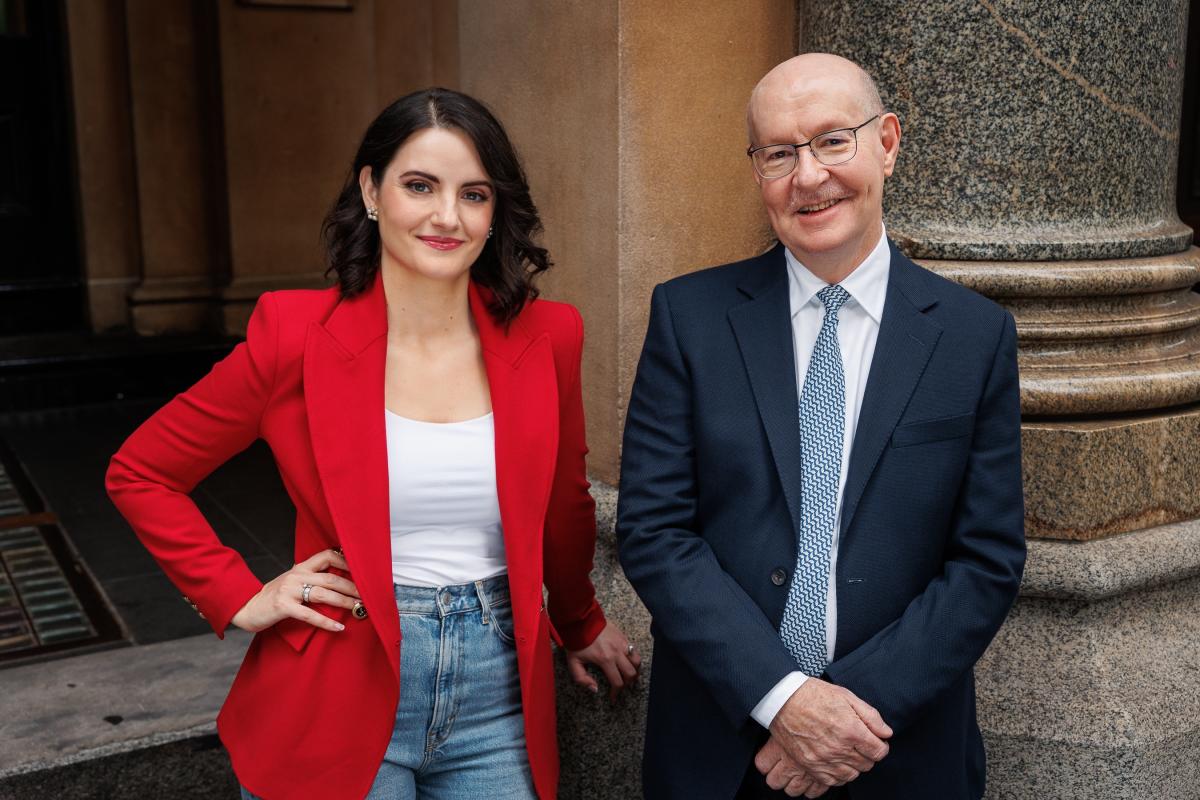
Joint research articles by Academy Research Fellow Guadalupe López-Íñiguez and Professor Gary E. McPherson reveal a fundamental tension in specialist music education. Some programmes primarily focus on preparing future professional musicians and advancing institutional or national excellence and prestige. In such cases, there is a risk that the needs of the system take precedence over the needs of the child. Other programmes place greater emphasis on children’s holistic development, psychological needs, wellbeing, and childhood rights.
“Rather than finding a single model of gifted education in music, we found a spectrum of approaches,” says Guadalupe López-Íñiguez from the Sibelius Academy, University of the Arts Helsinki.
“Many leaders are striving to balance artistic excellence with genuine care for children, but they also acknowledge that there is considerable room for improvement.”
Limited empirical evidence for wellbeing practices
The first study mapped specialist music programmes worldwide, examining their educational missions, leadership perspectives, and the challenges they face.
Although programme leaders consistently valued high-quality musical training, they also described ongoing dilemmas involving heavy student workloads, performance pressure, inadequate safeguarding measures, mental and physical health concerns, unequal access to opportunities, and the challenge of balancing intensive music studies with children’s broader educational and personal development.
The second study explored what caring leadership looks like within these highly specialised environments. Leaders responsible for developing and running these programmes described initiatives including counselling services, safeguarding policies, stronger communication with families, peer support, teacher development, and greater attention to students’ emotional wellbeing. However, the research also found that these practices remain unevenly distributed across programmes and that evidence of their impact on students’ health and wellbeing remains limited.
Supporting children as whole human beings is fundamental to excellence
“Similarly to other sub-studies within the project, these findings do not suggest that excellence and care are opposing goals,” explains Professor McPherson from the Melbourne Conservatorium of Music at the University of Melbourne.
“Instead, they show that the highest-quality programmes increasingly recognise that supporting gifted children as whole human beings is fundamental to sustaining artistic excellence.”
López-Íñiguez adds that this recognition is only part of the solution: “Care for the whole child should be a non-negotiable obligation of every educational environment, whereas artistic excellence should always remain a child’s choice, never something imposed, whether or not they are gifted.”
Because both articles are published Open Access, educators, researchers, policymakers, families, and music students can freely access the findings. The researchers hope the work will encourage continued international dialogue about how specialist music programmes can balance outstanding artistic training with children’s wellbeing, rights, and long-term development.
Read more about the research project
- Peer-reviewed research article in Gifted Education International article
- Peer-reviewed research article in British Journal of Music Education (PDF)
- Blog post ‘Caring Institutions, Thriving Children: Rethinking Gifted Music Education’
- Caring for musically gifted children – A five-year international research project funded by the Research Council of Finland (2022-2027)
- Read more about Guadalupe López-Íñiguez
- Read more about Gary McPherson