


Curator Nina Liebenberg creates spaces where science meets poetry
Curator Nina Liebenberg finds that being an outsider is a fertile starting point for curatorial work. In her Planthology project, Liebenberg invites audiences to explore the shared history of plants and humans through the lens of disease.
When a botanist examines a musical instrument made of wood, their attention rarely focuses on melodies or keys but on the material itself: Which species of wood was used, which part of the world did it grow in and how did it end up as an instrument?
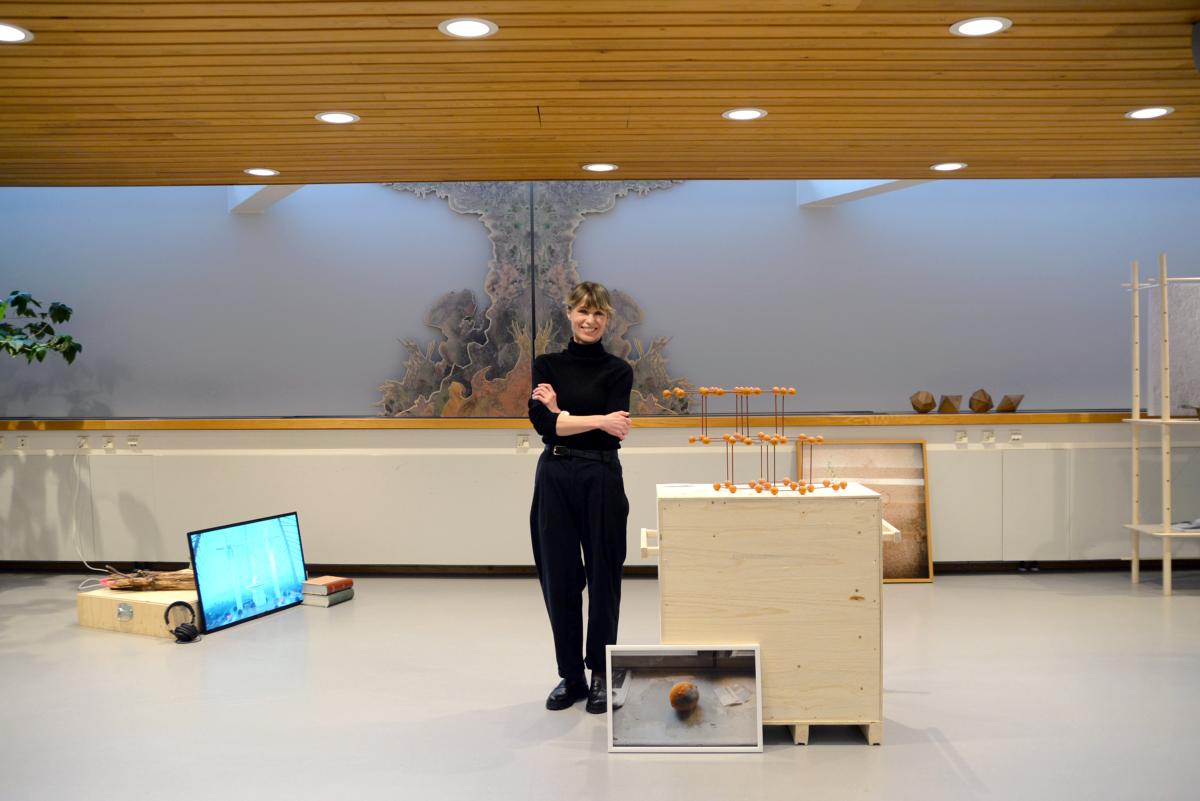
Uniarts Helsinki’s postdoctoral researcher Nina Liebenberg employs a similar play of perspectives in her work. She has curated exhibitions and interventions in unexpected locations, such as the Viikki Arboretum and the pathology department at the University of Helsinki.
As a curator, she brings various objects into dialogue with each other: contemporary artworks, research materials from various scientific disciplines and photographs from archival collections. The aim is to lead the viewer from familiar ground into the strange and unknown.
“This combination usually piques curiosity and invites people to engage further,” Liebenberg says.
Entwined stories of plants and humans
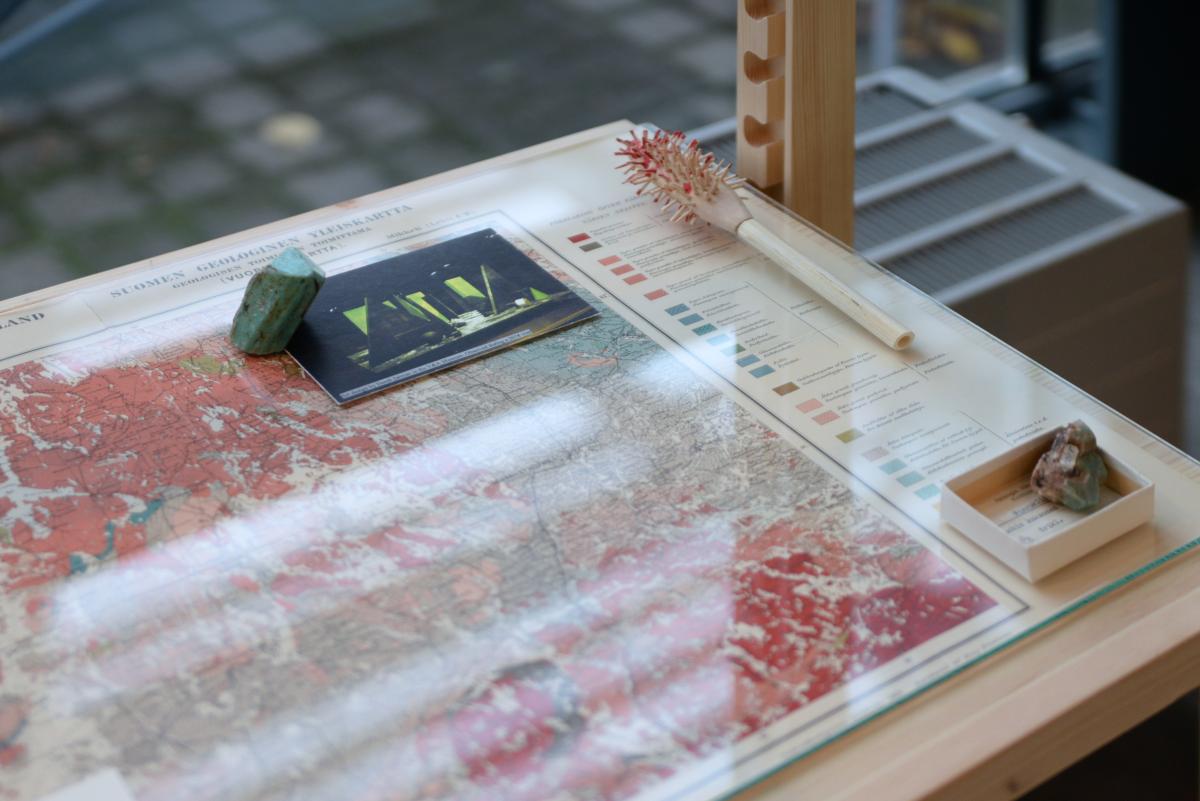
Liebenberg is particularly fascinated by the shared history of plants and humans. She first encountered this perspective in her native South Africa, where she studied art at the University of Cape Town and joined forces with experts from various disciplines. For example, she took X-rays of indigenous medicinal plants with the assistance of radiographers and analysed the plant designs depicted on archaeological pottery shards with botanists.
“These experiences revealed to me that, although plants are often overlooked, they play a central role in the history of culture and science,” Liebenberg explains.
In fact, Cape Town’s history is closely connected to plants and colonialism: As an example, Liebenberg mentions the malaria medicine quinine, made from tree bark, and how it enabled colonial powers to advance deeper into Africa.
Numerous intersections between human and plant histories can be traced from ancient Greece to contemporary biomedical research. Over time, Liebenberg has increasingly focused on examining this shared past through the lens of disease – a common denominator for both humans and plants.
“In my exhibitions, I often juxtapose human and plant diseases with each other to evoke empathy for both.”
Art as a tool to understand ecological crises
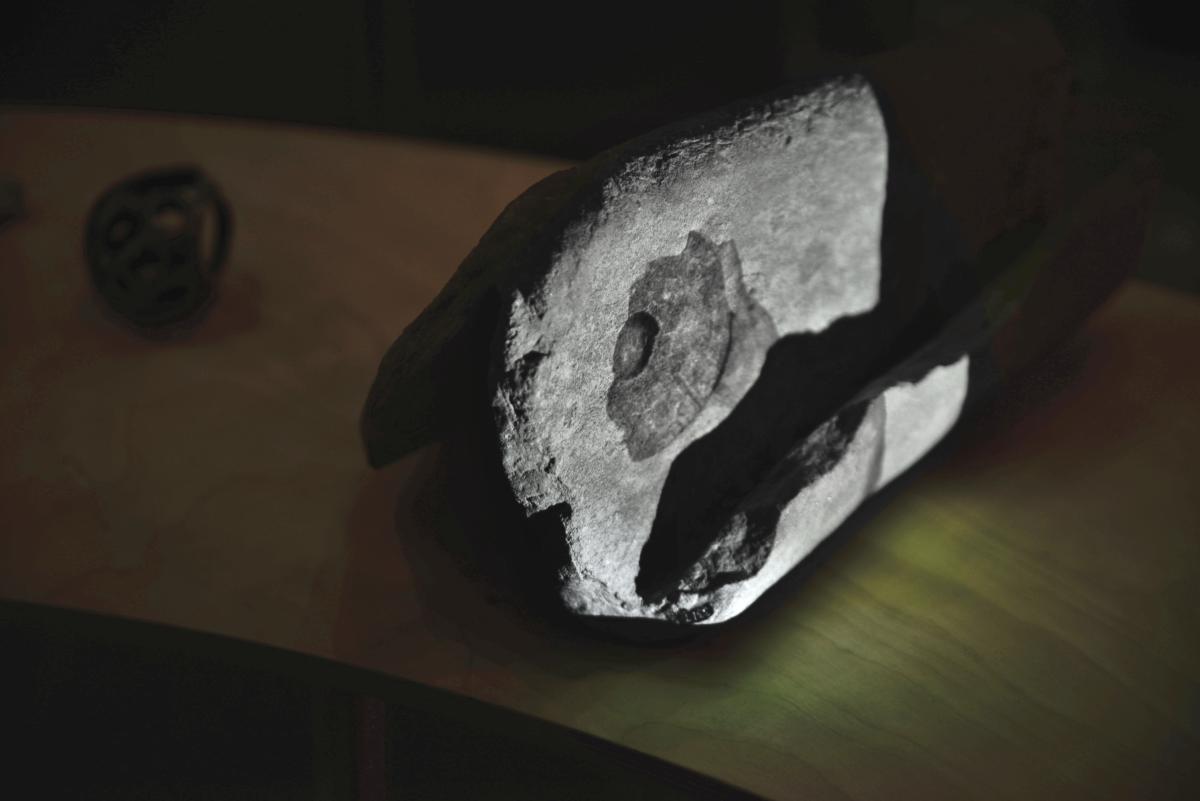
Through her Planthology project, Liebenberg reflects on what the history of plants and humans can reveal about contemporary challenges, such as pandemics and climate change. She believes that artistic research can generate knowledge by drawing on its strengths: pluralistic approaches and resistance to rigid classifications.
“Artistic research can swiftly communicate causal links across many diverse fields in a manner that is neither didactic nor pedantic.”
Curating is an effective way to make academic knowledge about ecological crises accessible to new audiences. Curators can employ strategies such as metaphors, analogies and strong emotional experiences that inspire action. This may involve pairing scientific data with poetic knowledge in an exhibition, which generates a new kind of understanding.
In her Planthology project, Liebenberg, for example, has often combined a microscopic image of a plant’s “breathing cells” taken by a researcher with an art-historical image of Marina and Ulay’s iconic performance Breathing in, Breathing Out. In the performance, the artists blocked their nostrils with cigarette filters and pressed their mouths together, so that each could only breathe the other’s exhalation. When these two images are brought together, the audience immediately experiences a range of emotionally moving impressions.
“The audience may think about our dependence on the oxygen produced by plants and the fragile balance it entails, Marina and Ulay’s desperate clinging to each other as carbon dioxide levels rise, or autonomy and needs in human relationships,” Liebenberg explains.
Fruitful wandering along knowledge paths
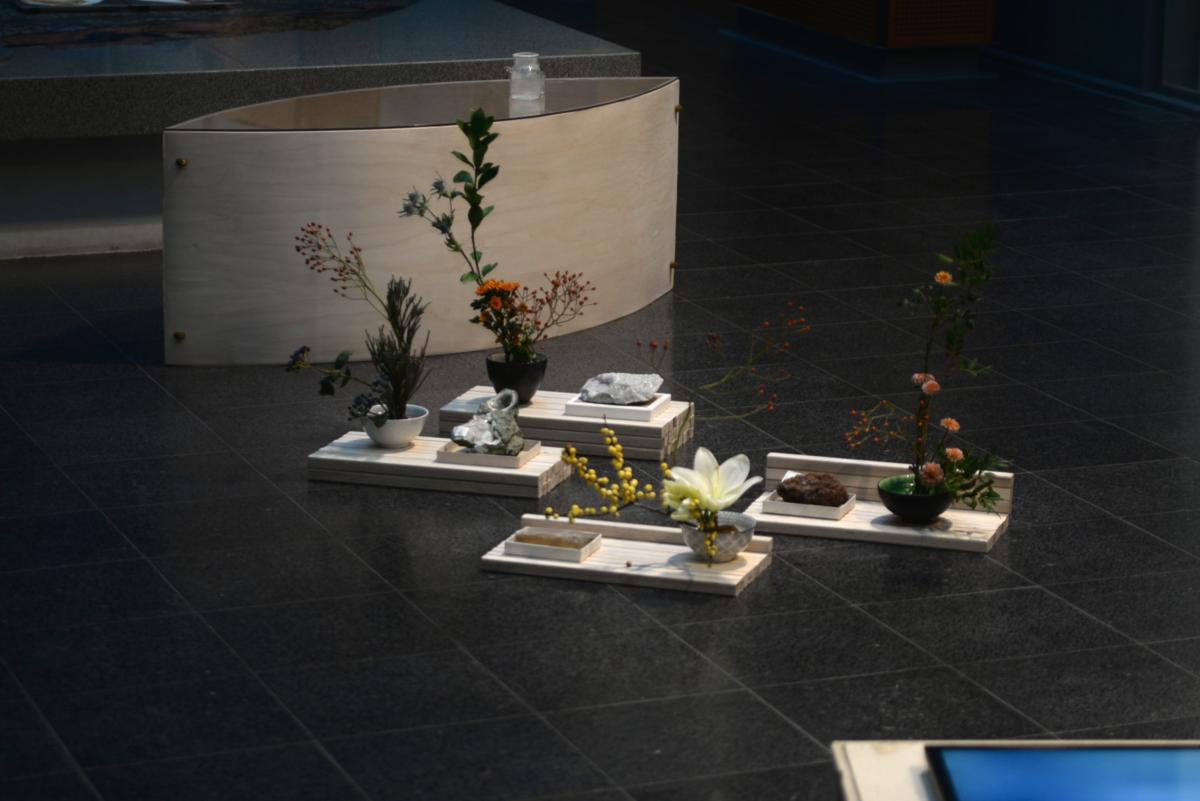
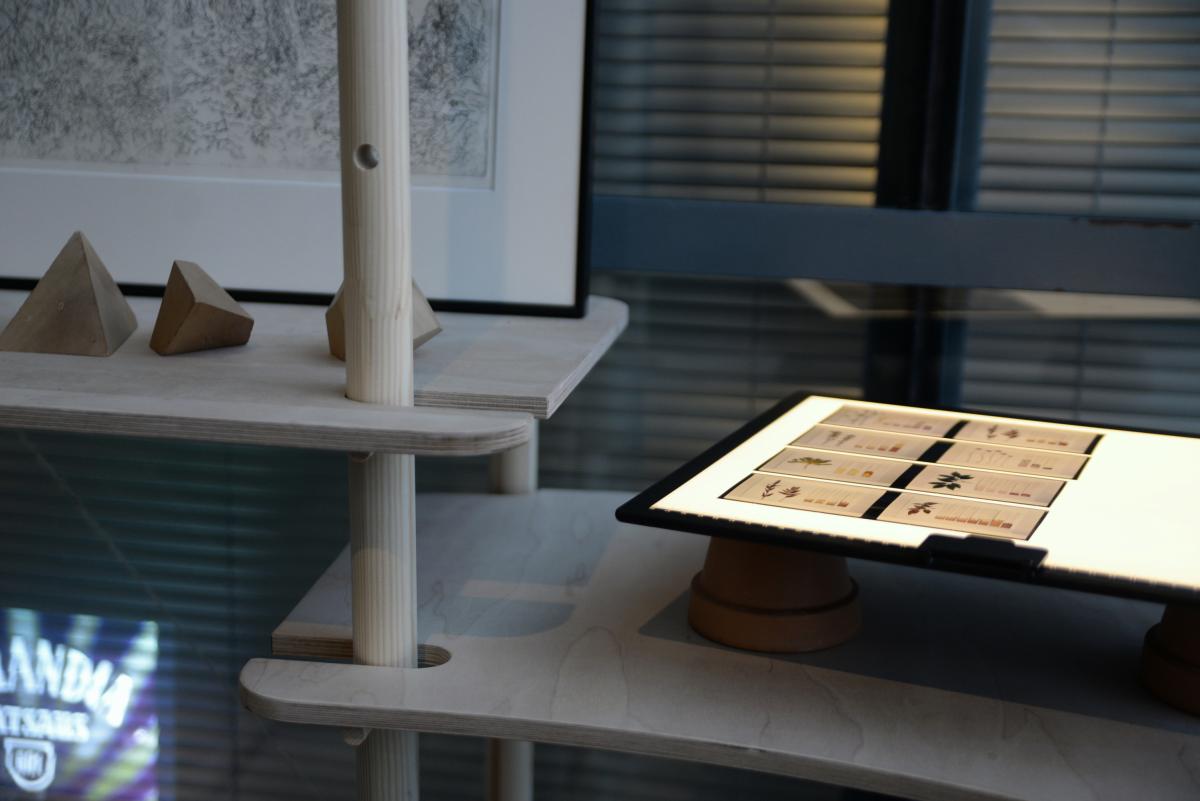
In November, researchers at the University of Helsinki encountered “measurable and poetic” experiences when Liebenberg brought her mobile Synzoochory series to the Viikki, Meilahti and Kumpula campuses. The project encouraged scholars to reconsider the relationship between humans and plants through exhibitions, workshops and symposia.
Each part of the exhibition featured objects familiar to the researchers of the specific campus, such as volcanic stones, botanical specimens or medical images.
“I wanted the researchers to look at familiar materials with fresh eyes through unexpected juxtapositions,” Liebenberg says.
Liebenberg’s curatorial strategy is inspired by what researcher Carolina Rito calls “celebrating the radical surface”. It favours a wandering, intellectually restless and intuitive approach over deep, exhaustive inquiry. Even when knowledge is gathered from the surface, it can still be thorough and transformative.
In this approach, the curator’s role is to enable movement across disciplines and to cross-pollinate topics. Liebenberg sees herself primarily as a facilitator, bringing together people and ideas. She also thinks that curators carry significant power and responsibility in deciding whose voices and stories are represented.
“Curators can either reinforce established hierarchies or help culture understand itself in new ways.”
Researchers’ generosity brings joy to the curator
Liebenberg believes that curatorial work suits those who enjoy being outsiders. As a child, she followed her father, a pediatrician, on Sunday morning hospital rounds, observing newborns and talking with mothers.
“These experiences help me feel at home even in highly specialised environments where I am an outsider,” she says.
The best part of curating, according to Liebenberg, is giving people the opportunity to discuss what they love and why. She especially enjoys the beginning of a new project, exploring previously unknown research departments.
“Almost always, showing genuine interest in a field earns you a wealth of information and generosity,” she notes.
During her nearly three years at Uniarts Helsinki, Liebenberg has built connections across numerous fields, most recently geosciences, pathology and Aalto University’s design department. In the future, we might see new exhibitions in laboratories or greenhouses, or even a residency bringing artists to work alongside researchers in the same spaces. The ideas are endless.
“I feel like I’m only just getting started with my research work”, she concludes.
Text: Anna Humalamäki
Images: Vincent Roumagnac