


Sebastian Silén: Sibelius and the Nordic Musical Landscape
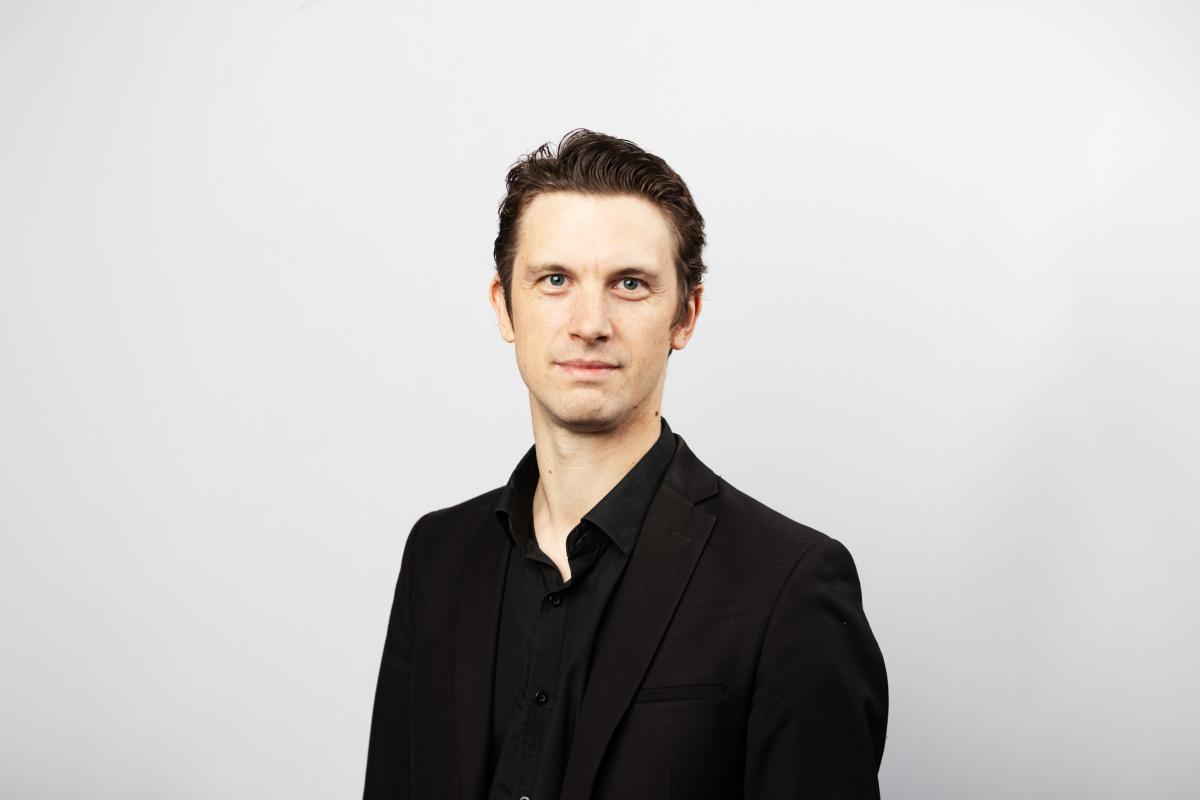
Complete title of the doctoral degree: Exploring a Landscape of Possibilities Interpreting Jean Sibelius’s Works for Violin and Piano through Hermeneutics and Nordic Contexts
- Artistic Board: Dr. Anu Lampela (Director, Kuopio Music Centre and Kuopio Symphony Orchestra), Dr. Folke Gräsbeck (Pianist; President of UK Sibelius One Society; Artistic Director, Sibelius in Korpo Festival),Prof. Réka Szilvay (Professor of Violin, Sibelius Academy, University of the Arts Helsinki), Prof. Dr. Neil Heyde (Professor of Music, University of London; Head of Postgraduate Programmes, Royal Academy of Music), Antti Tikkanen (Violinist, Meta4 String Quartet; Artistic Director, Kuhmo Chamber Music)
- Supervisors: Prof. Dr. Mieko Kanno (Sibelius Academy Doctoral Programme and Research Centre, University of the Arts Helsinki
- Prof. Dr. Markus Mantere (Sibelius Academy Doctoral Programme and Research Centre, University of the Arts Helsinki)
- Pre-examiners: Dr. Juha Torvinen (Senior University Lecturer, Docent, University of Helsinki, Dr. Gustav Djupsjöbacka – Professor Emeritus, Sibelius Academy, University of the Arts Helsinki
- Chair / Custos: Dr. Kaarina Kilpiö – University Lecturer, Sibelius Academy, University of the Arts Helsinki
Programme
Opening of the public examination
Lectio praecursoria
Performances during the lectio
- Jean Sibelius: from Violin Sonata in F major, JS 178, Andante
- Jean Sibelius: from There Pieces, Op. 116, Rondeau romantique
Sebastian Silén, violin & Satu Elijärvi, piano
Statement of the artistic components
Statement of the written component
Discussion
Audience questions
Final Statements
Closing of the public examination
Artistic components of the doctoral degree
The artistic components of this doctoral project consisted of a CD recording and three doctoral recitals, each approaching the Nordic musical context from a different perspective. The CD recording, “Pacius, Kajanus, Sibelius”, explored whether the music of Sibelius’s Finnish predecessors, Fredrik Pacius and Robert Kajanus, could offer insights into the development of his early style. While certain stylistic continuities emerged, the most striking observation was the difference between these composers and Sibelius, whose musical language appeared to extend beyond the stylistic conventions represented by his predecessors. The subsequent concert “Nordic Connections”, featuring violin sonatas by Sibelius, Christian Sinding, and Wilhelm Stenhammar, shifted the focus towards the question of how Nordic cultural connections might manifest themselves in non-programmatic music. The project revealed not a unified Nordic style, but rather distinct artistic responses shaped by related cultural contexts. This exploration also developed into a separate peer-reviewed article. The later concerts, “Jean Sibelius and Nordic Dances” and “From Dawn to Dusk”, broadened the inquiry towards the role of dance, atmosphere, and expressive character in Nordic music. The former provided an opportunity to investigate how Nordic composers engaged with dance idioms. The latter brought together musical miniatures and character pieces by several Nordic composers, exploring whether shared moods, gestures, and expressive qualities might emerge across their otherwise distinct musical languages. Throughout these projects, performance and preparation became means of exploring how cultural and historical contexts could inform musical interpretation. An important outcome was the recognition that Nordicness does not necessarily manifest itself through identifiable stylistic features or fixed musical characteristics. Rather, it can emerge in multiple ways through individual musical voices and become meaningful through the interpretative choices made in performance. The artistic components thus contributed to the development of the project’s central concern: how Nordic cultural and historical contexts can open up possibilities for understanding and interpreting music.
Abstract of the thesis
This thesis, part of a larger artistic doctoral project, explores how a Nordic perspective can shape our understanding of Sibelius and his music, with particular emphasis on his works for violin and piano. Drawing on philosophical hermeneutics, it examines Sibelius’s music in relation to its historical and cultural Nordic contexts.
The thesis consists of three major sections: (1) an overview of how Sibelius interacted with Nordic individuals, cultural influences, and contemporary trends; (2) an analysis of characteristic musical features in Nordic music and their presence in Sibelius’s works for violin and piano; and (3) a synthesis that brings these perspectives together to develop interpretative approaches that remain responsive to historical contexts. Taken together, the findings demonstrate how historical and musical knowledge can support several well-reasoned interpretations of Sibelius’s music.
Sebastian Silén
Sebastian Silén is a Finnish violinist and artistic researcher whose work often focuses on rarely performed music from the Nordic countries. His recent artistic projects and research have explored the violin repertoire of Jean Sibelius and his Nordic contemporaries, drawing on perspectives from philosophical hermeneutics. His forthcoming projects include a CD recording of Moses Pergament’s complete works for violin and piano. He has also published peer-reviewed articles and served as editor of a critical edition of Robert Kajanus’s violin music, published by Fennica Gehrman.